Bronte Sandstone
SCOPE
CONCEPT, DESIGN INTENT & INSTALLATION
COLLABORATORS
INTERIOR DESIGN: ARENT & PYKE
PHOTOGRAPHY: FELIX MOONEERAM
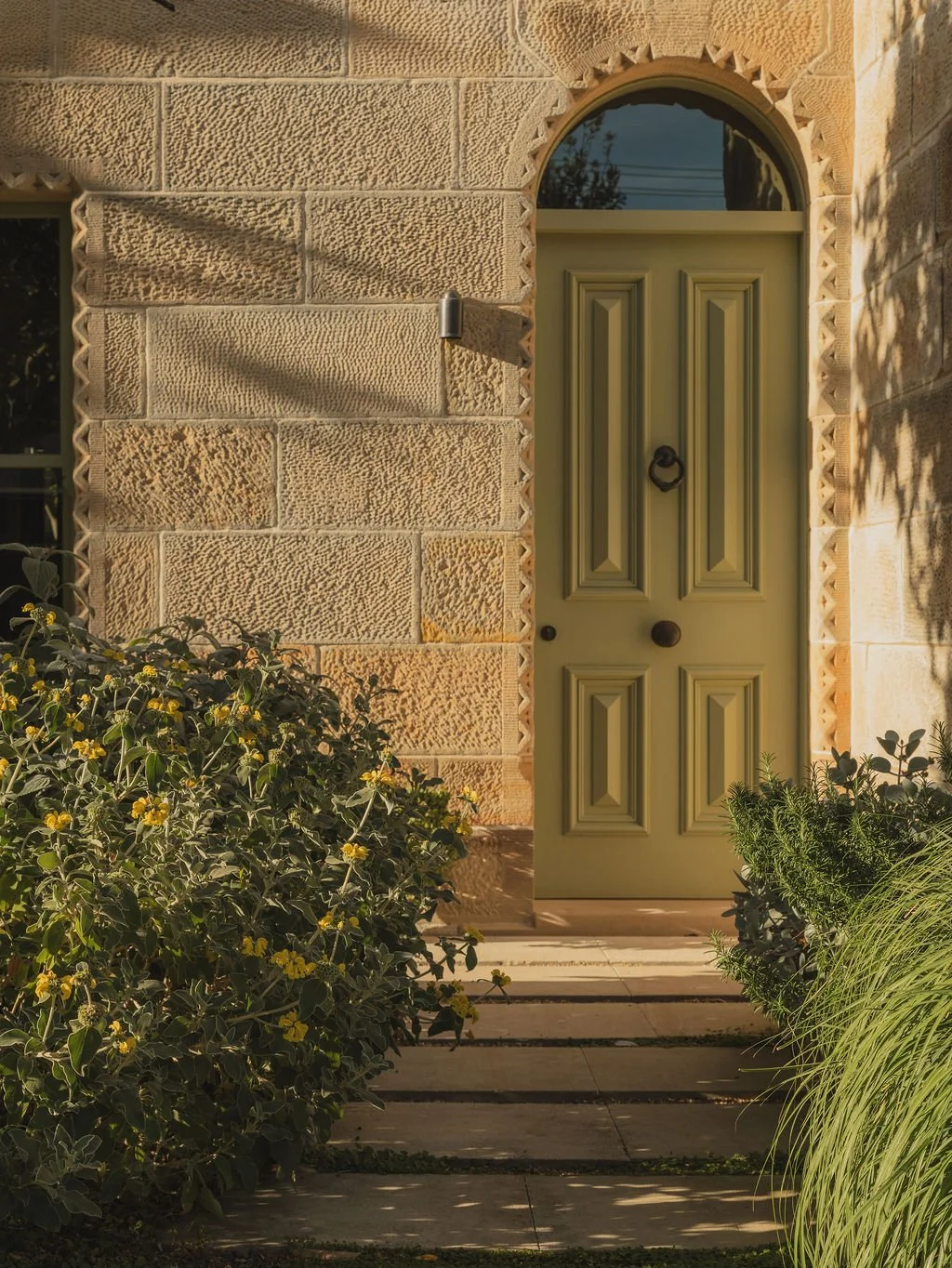
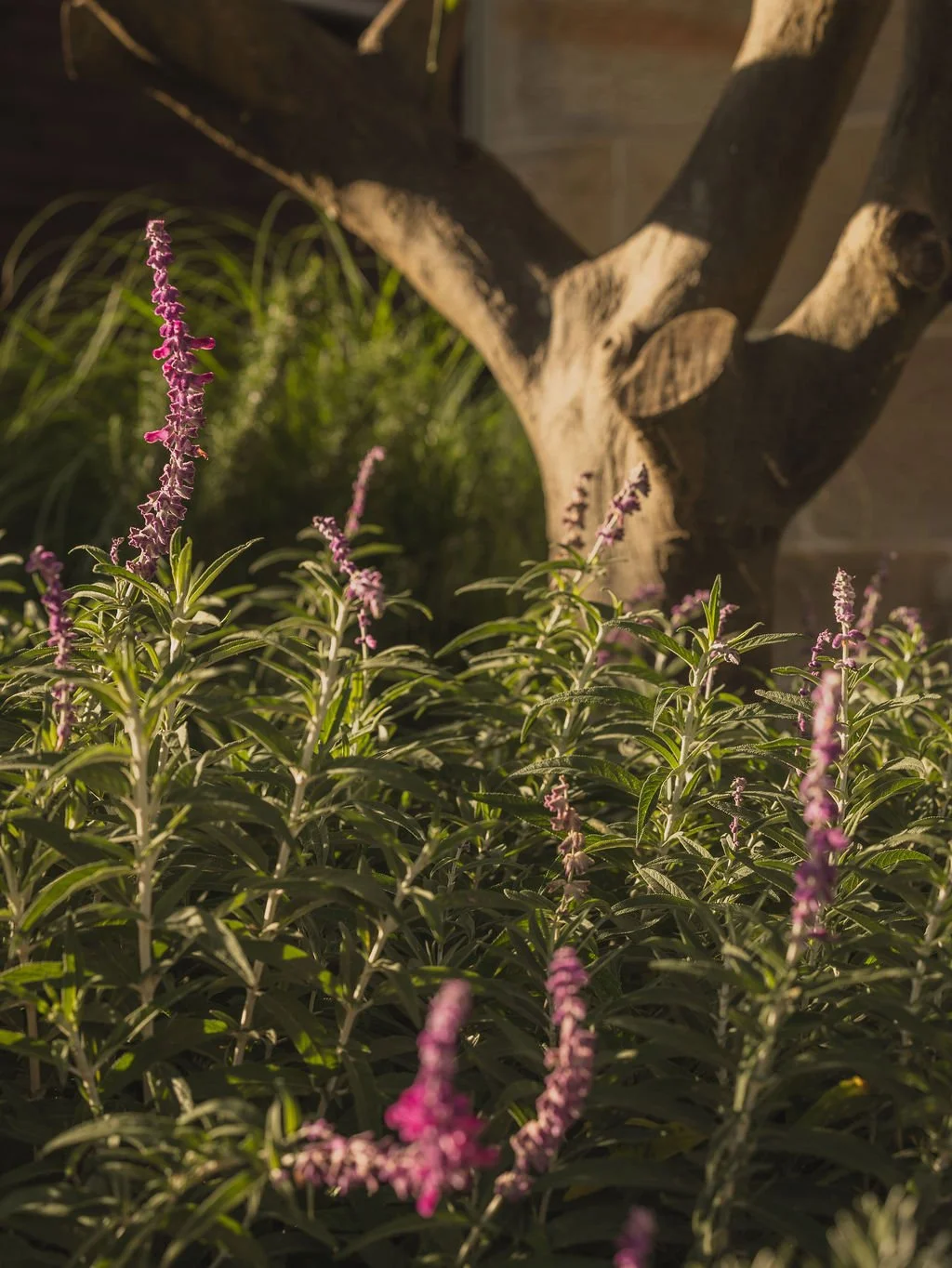
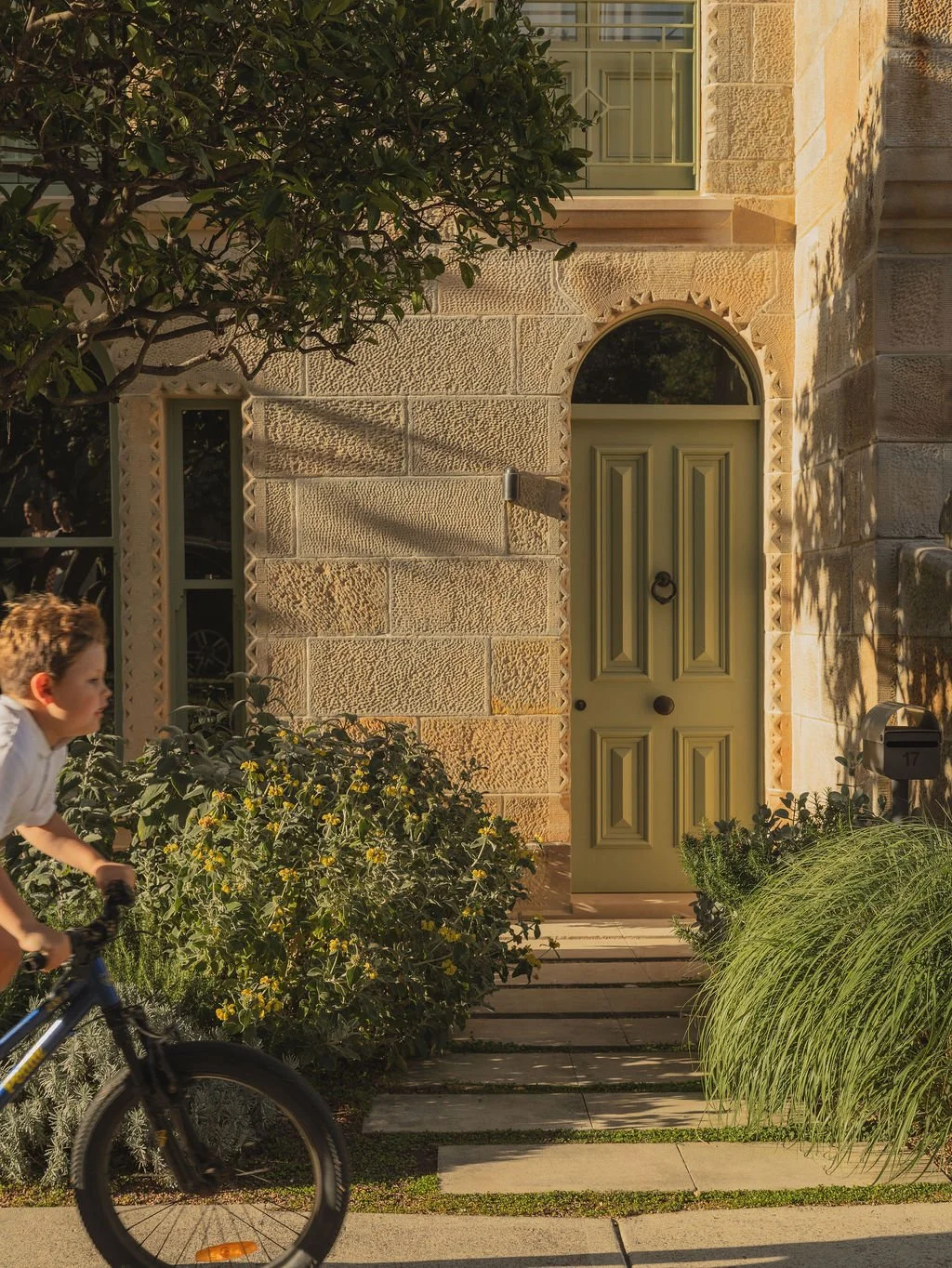
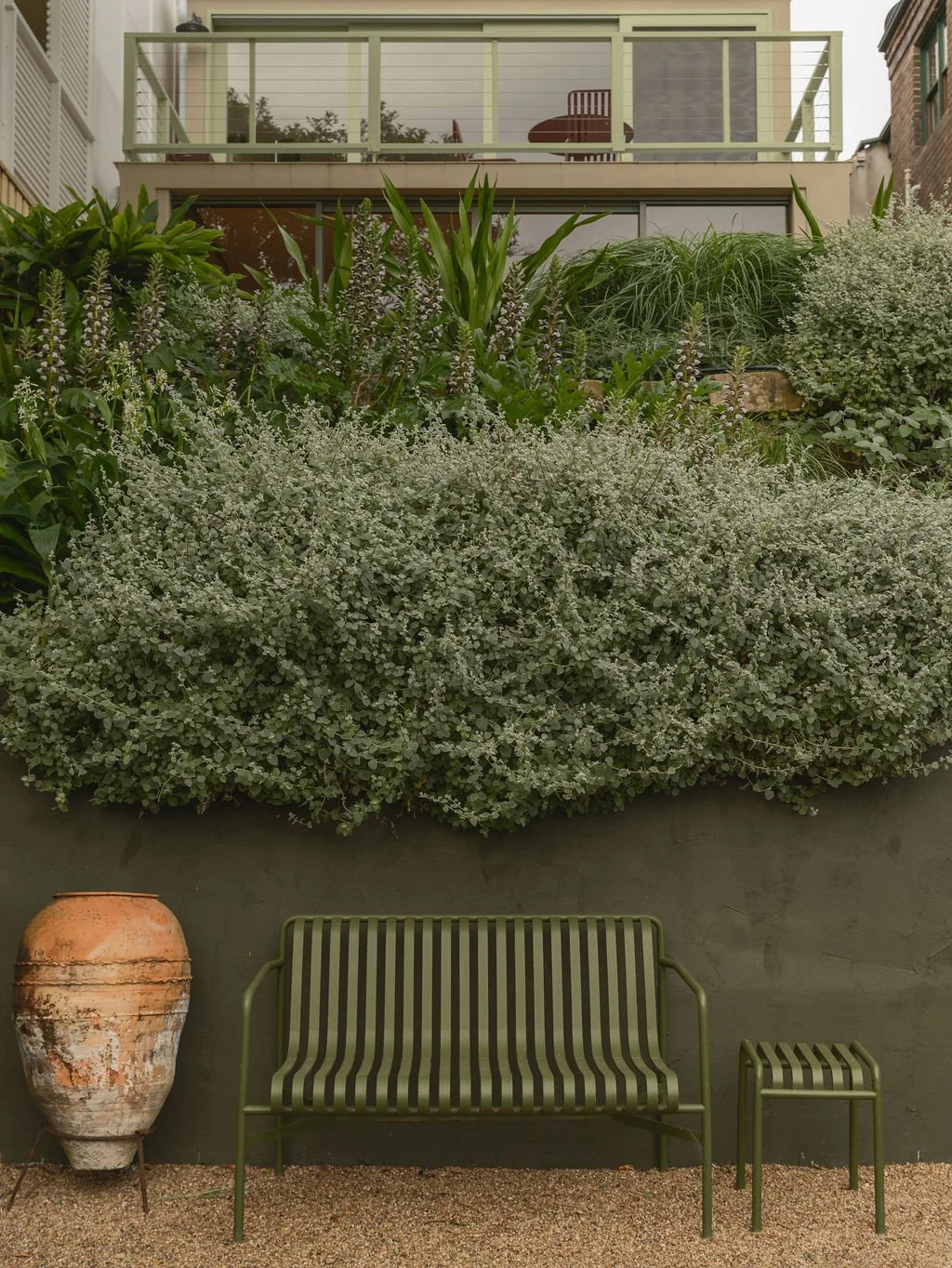
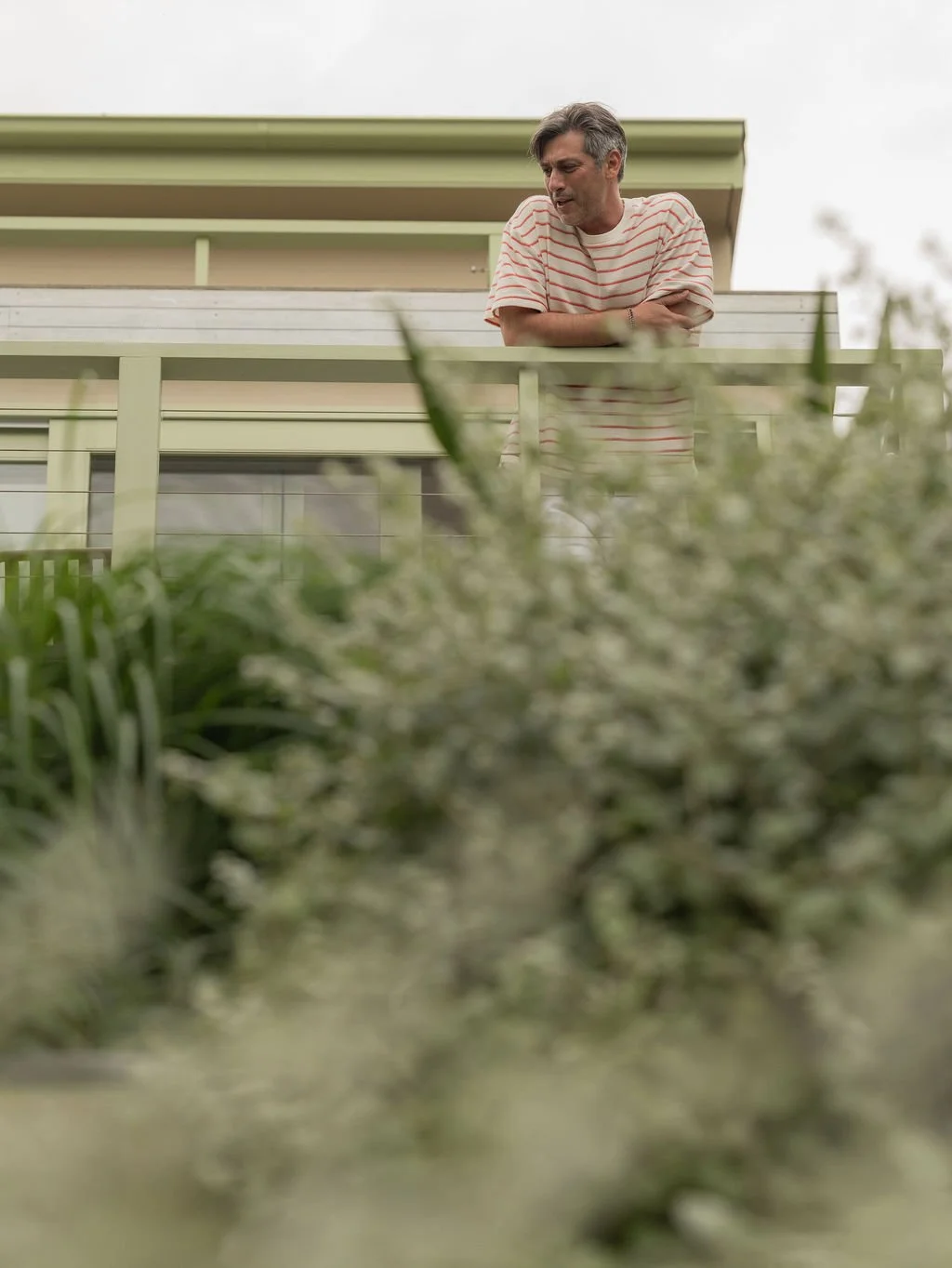
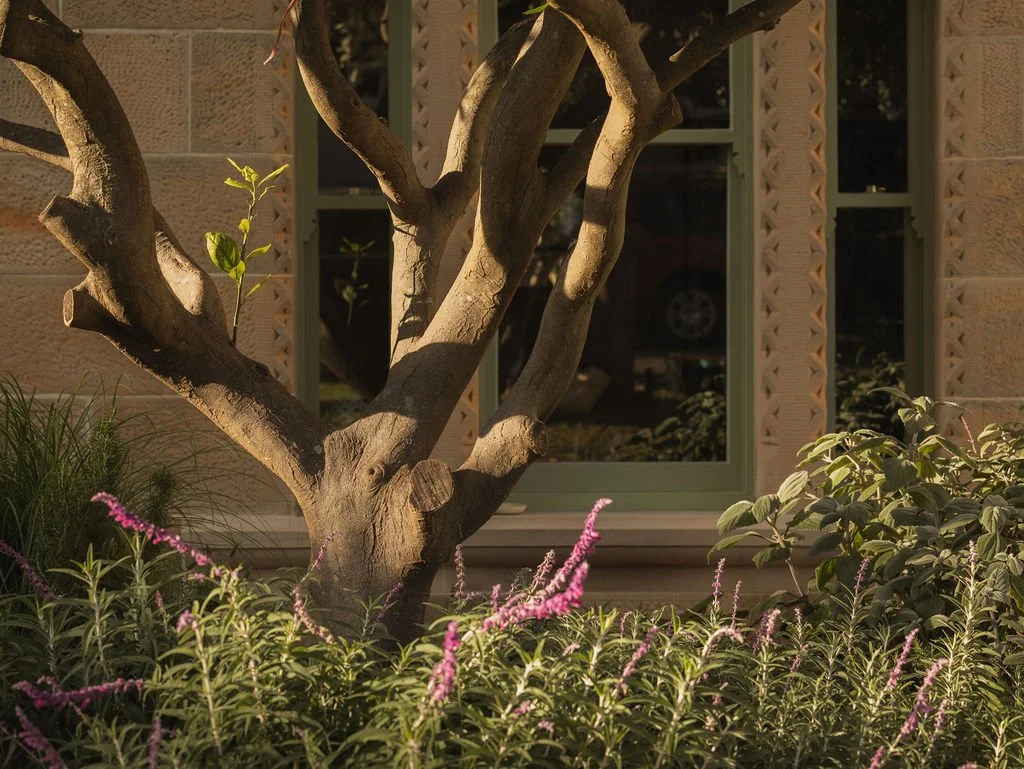
Affectionately known by locals as the Gingerbread House, this Bronte sandstone terrace crafted by the same stonemasons who worked on Vaucluse House has been reimagined as a layered coastal garden for a creative family of four. Romantic and a little unruly, the landscape softens the home’s formal heritage with a loose, textural planting character that feels innately of place.
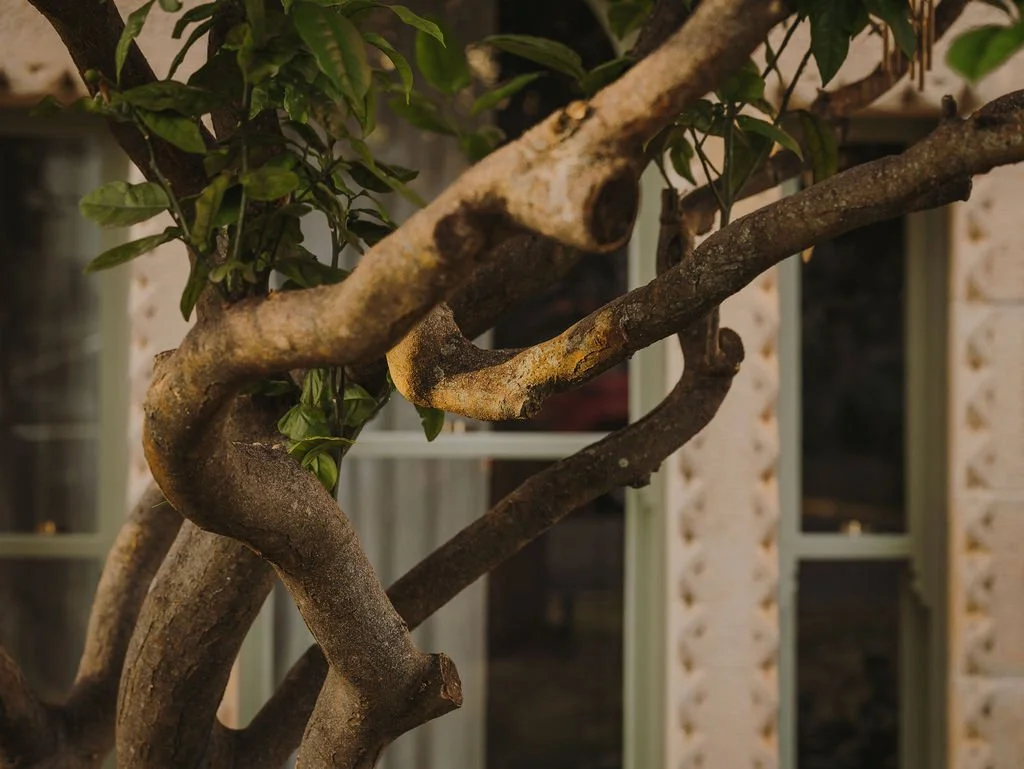
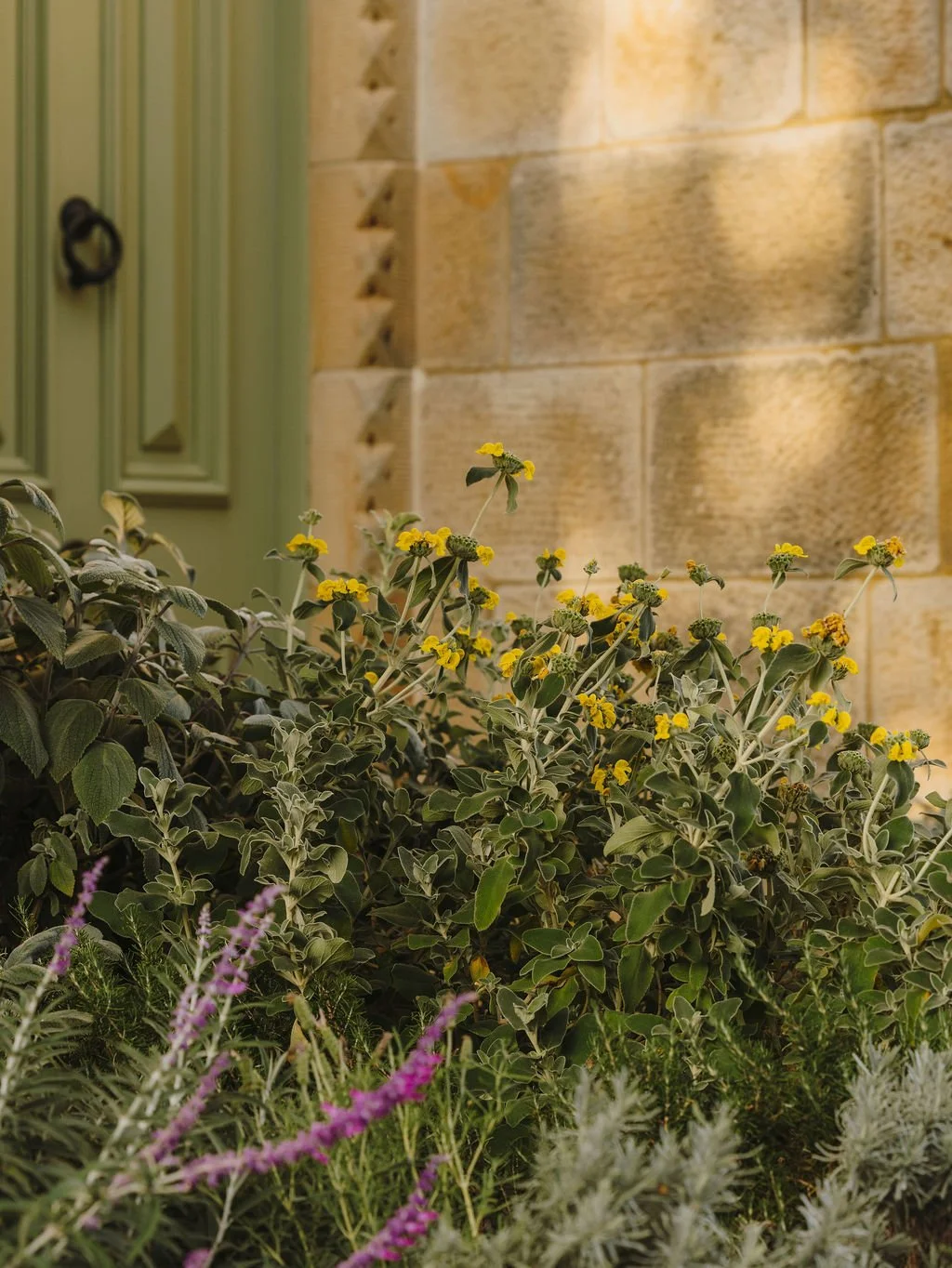
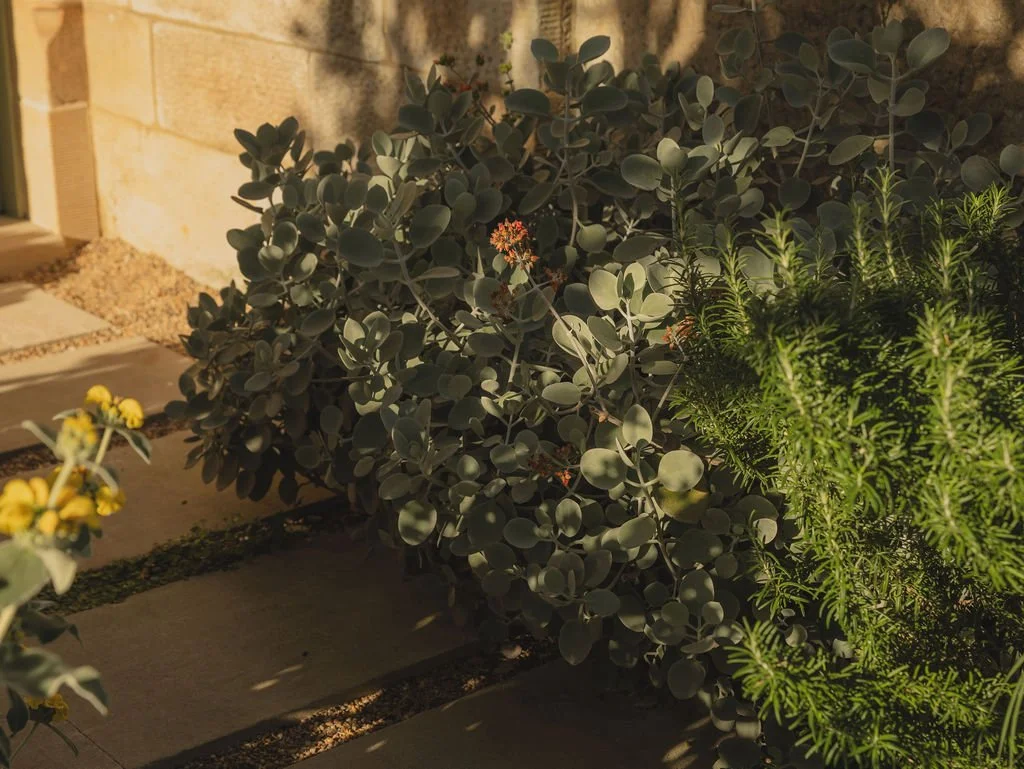
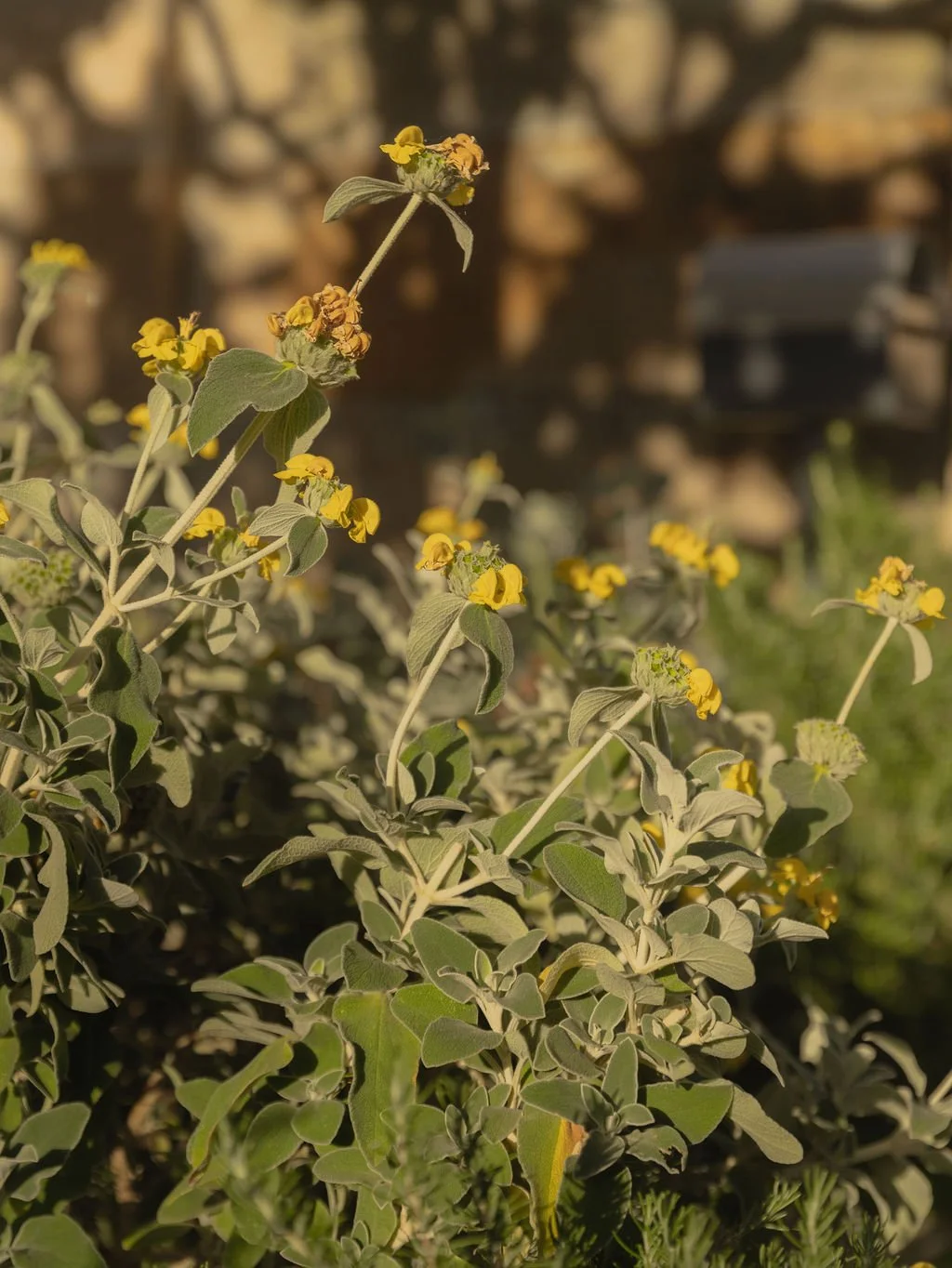
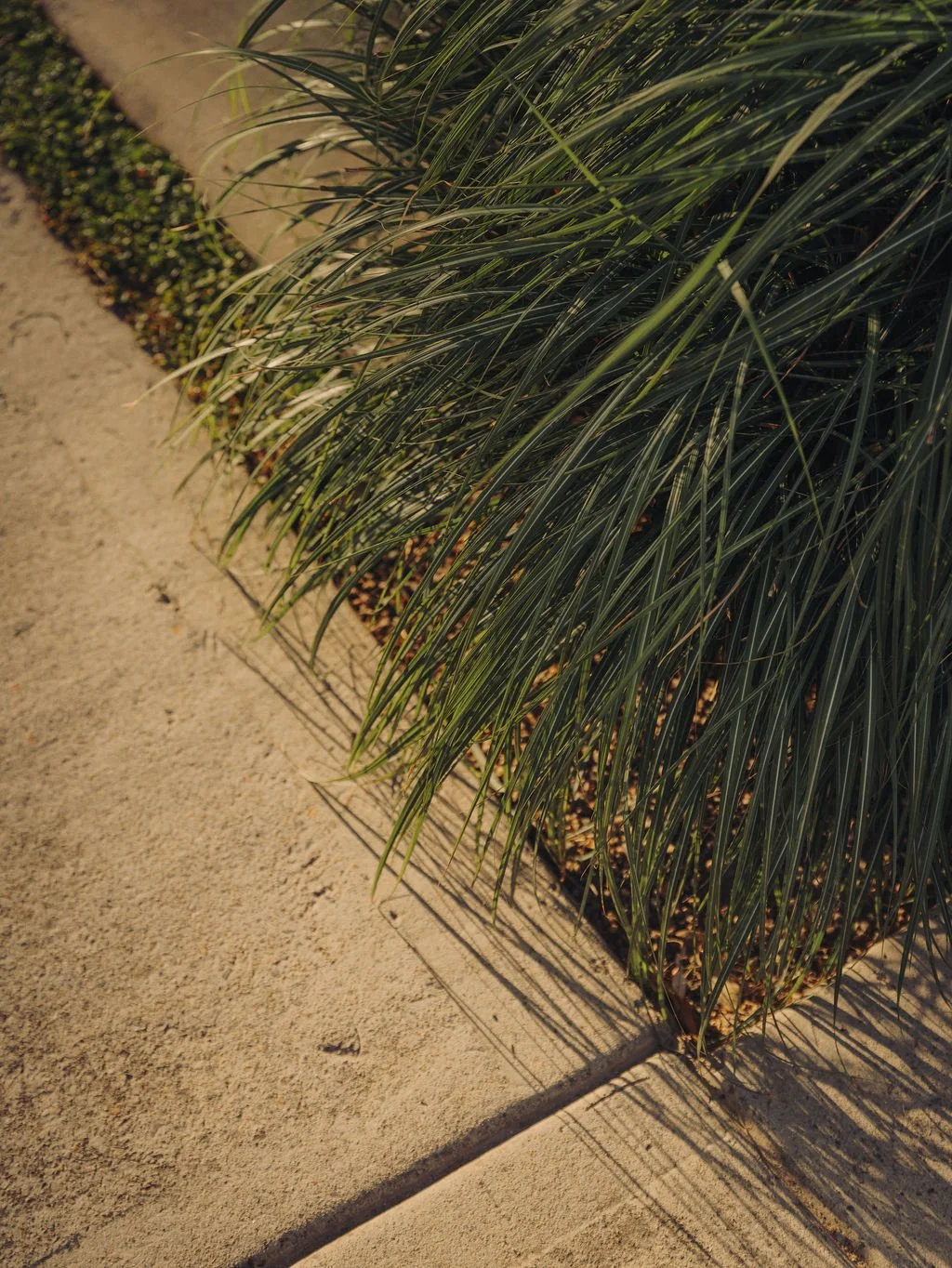
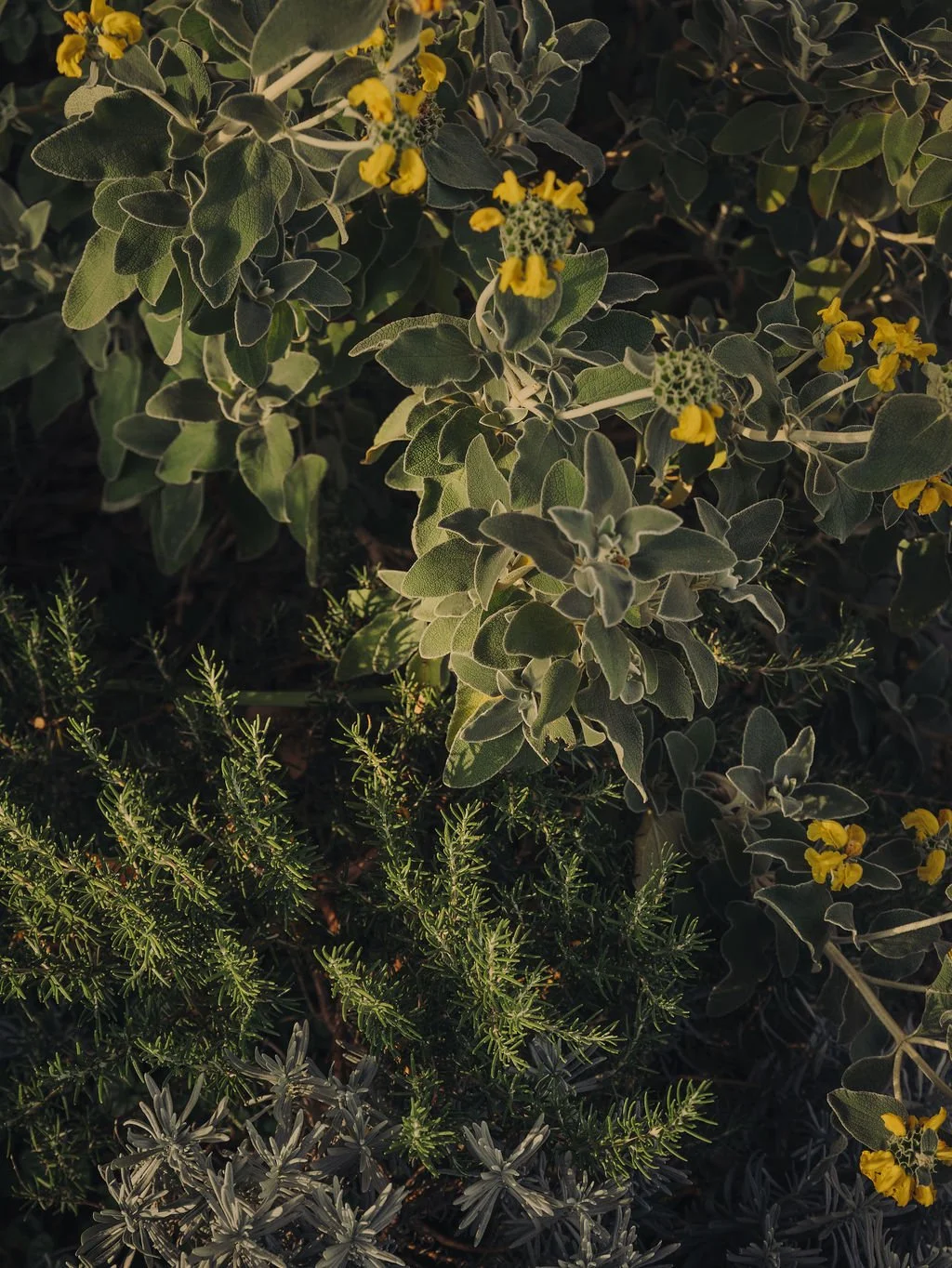
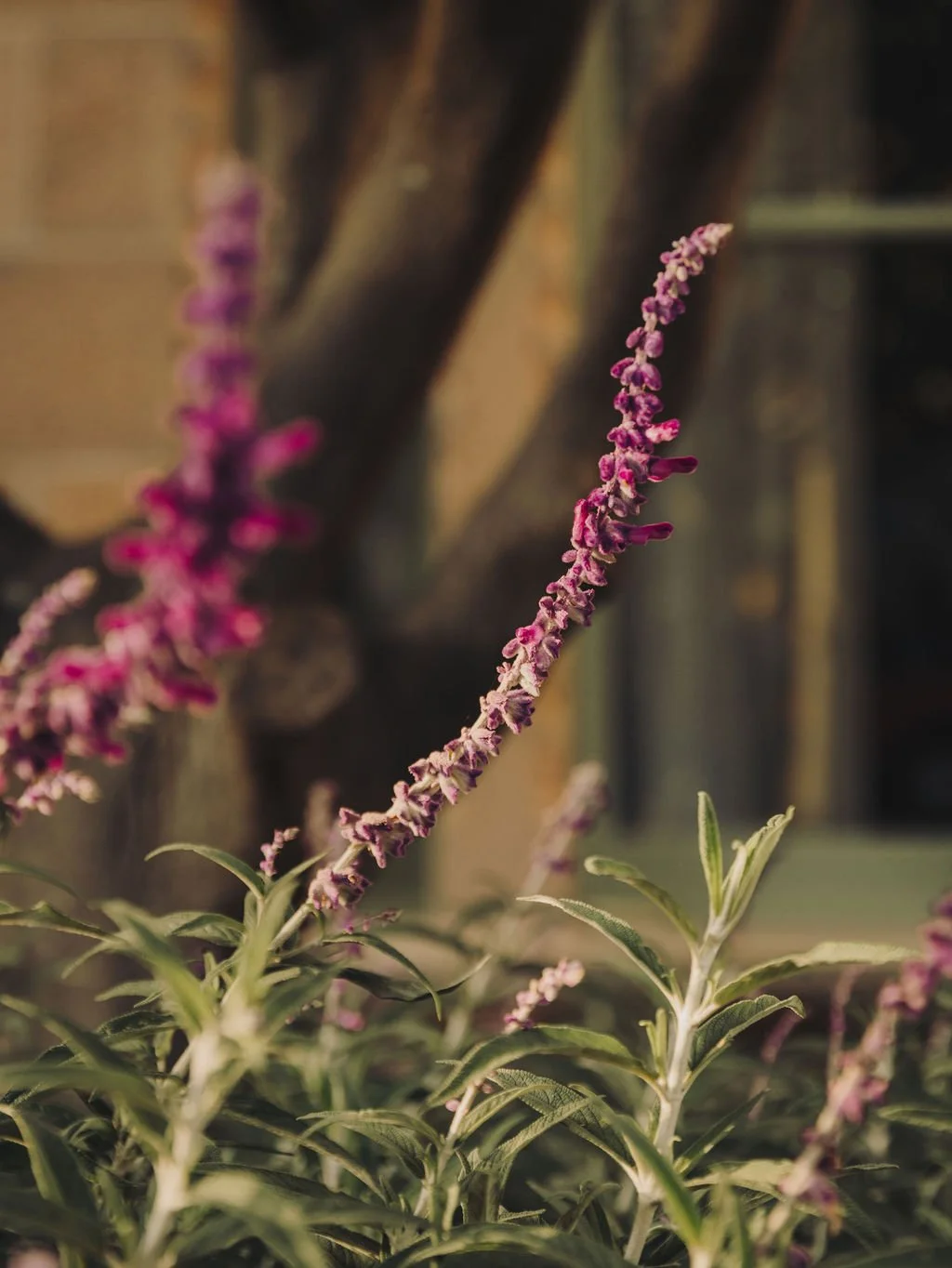
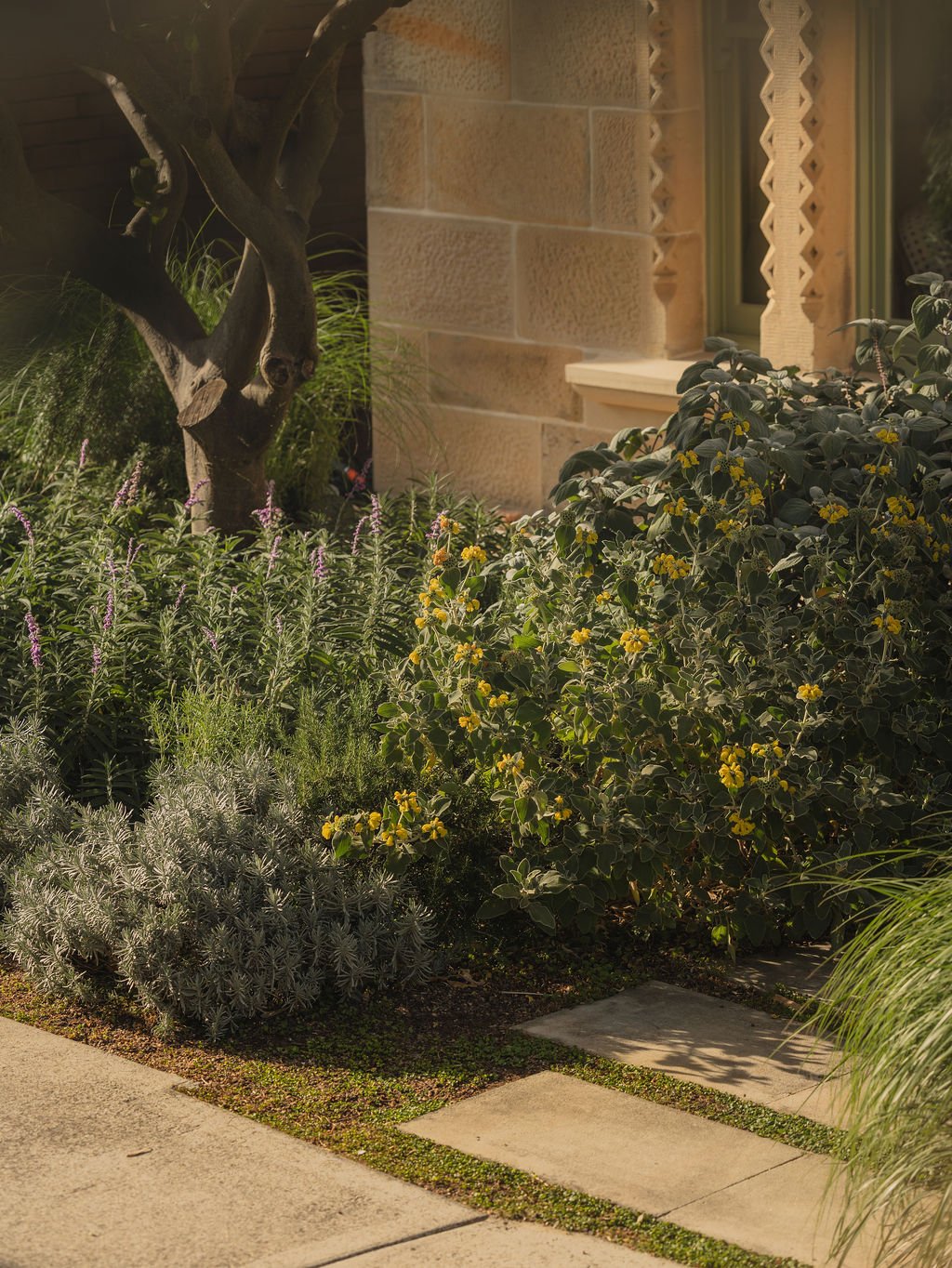
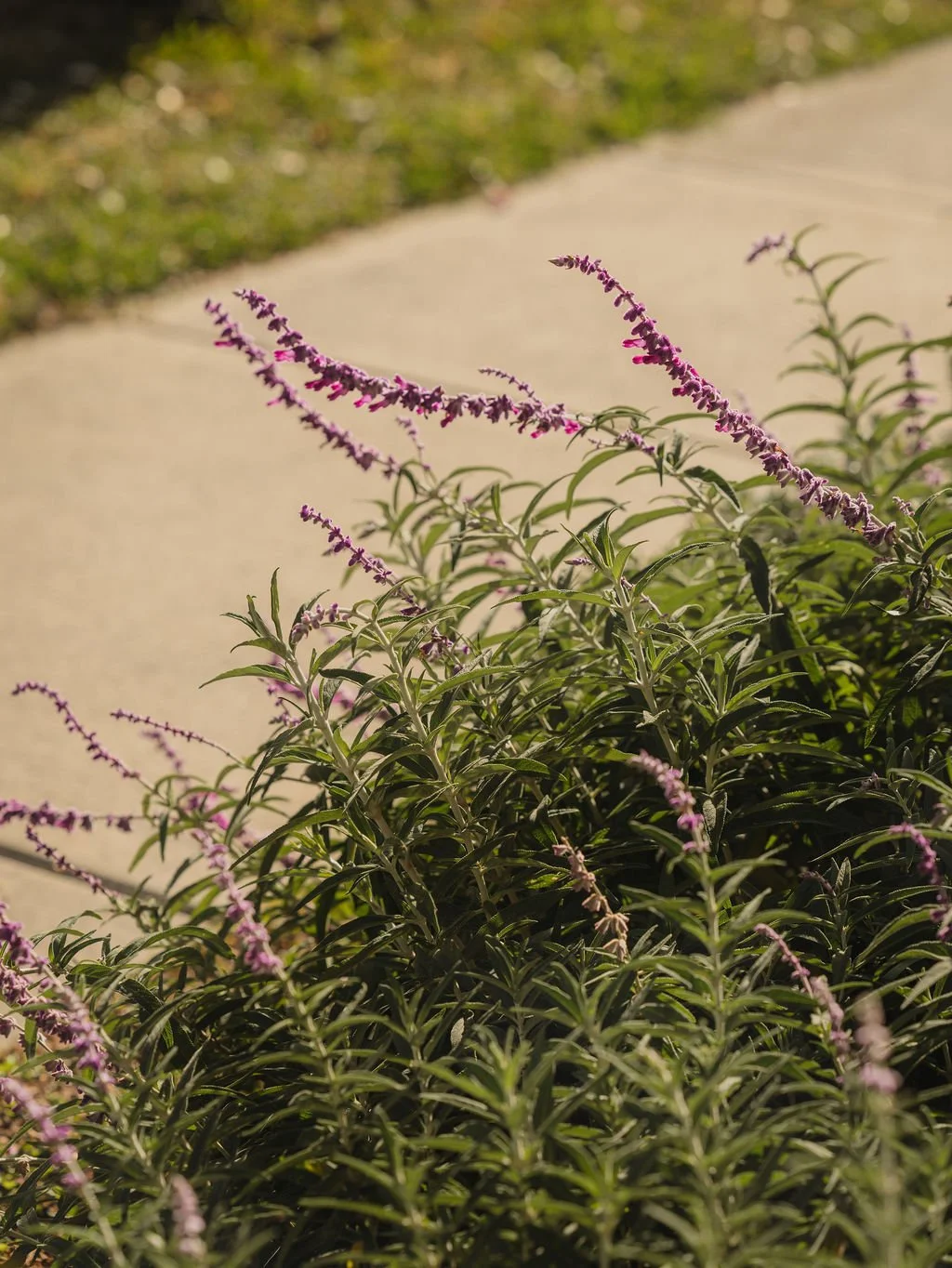
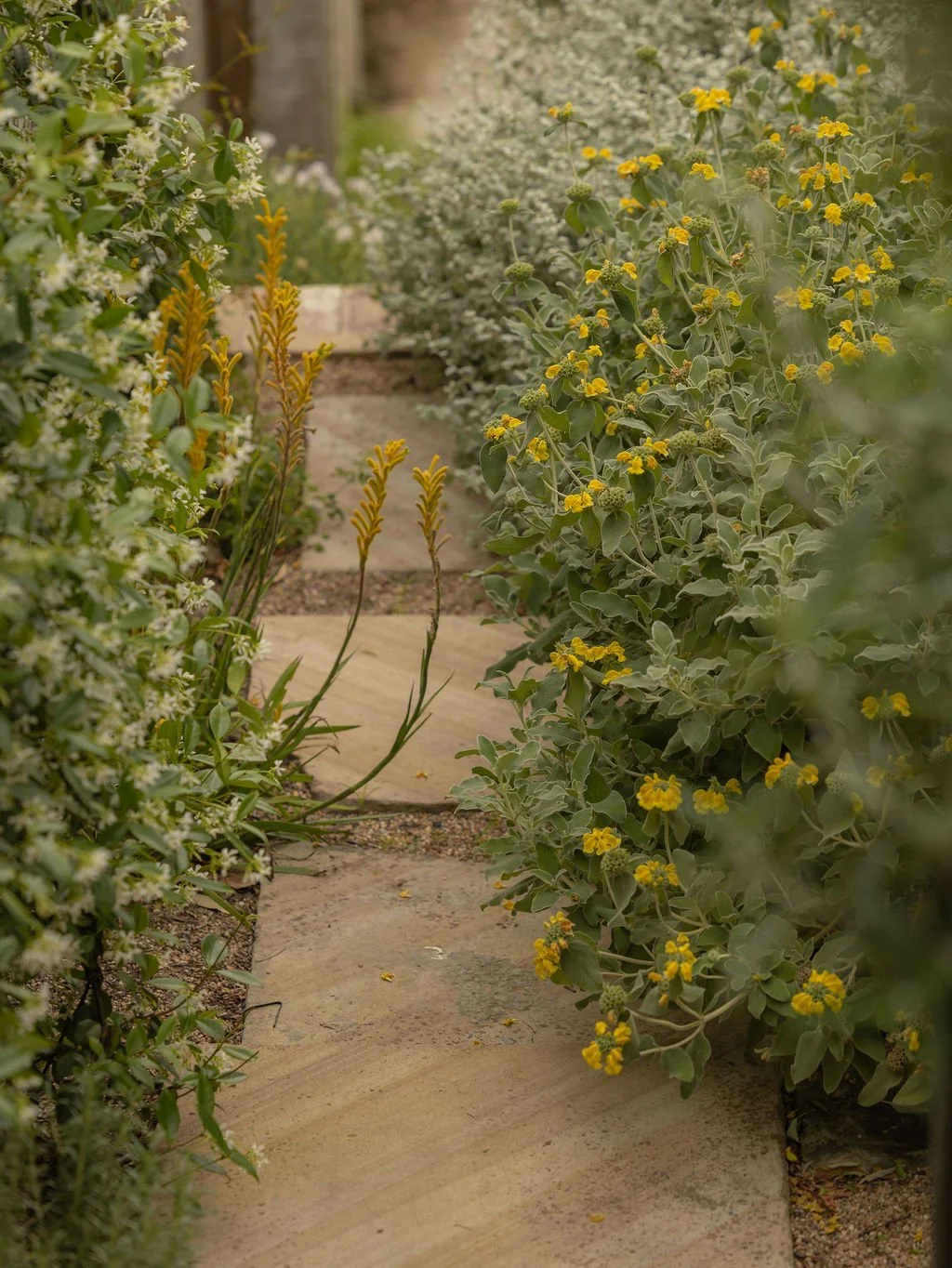
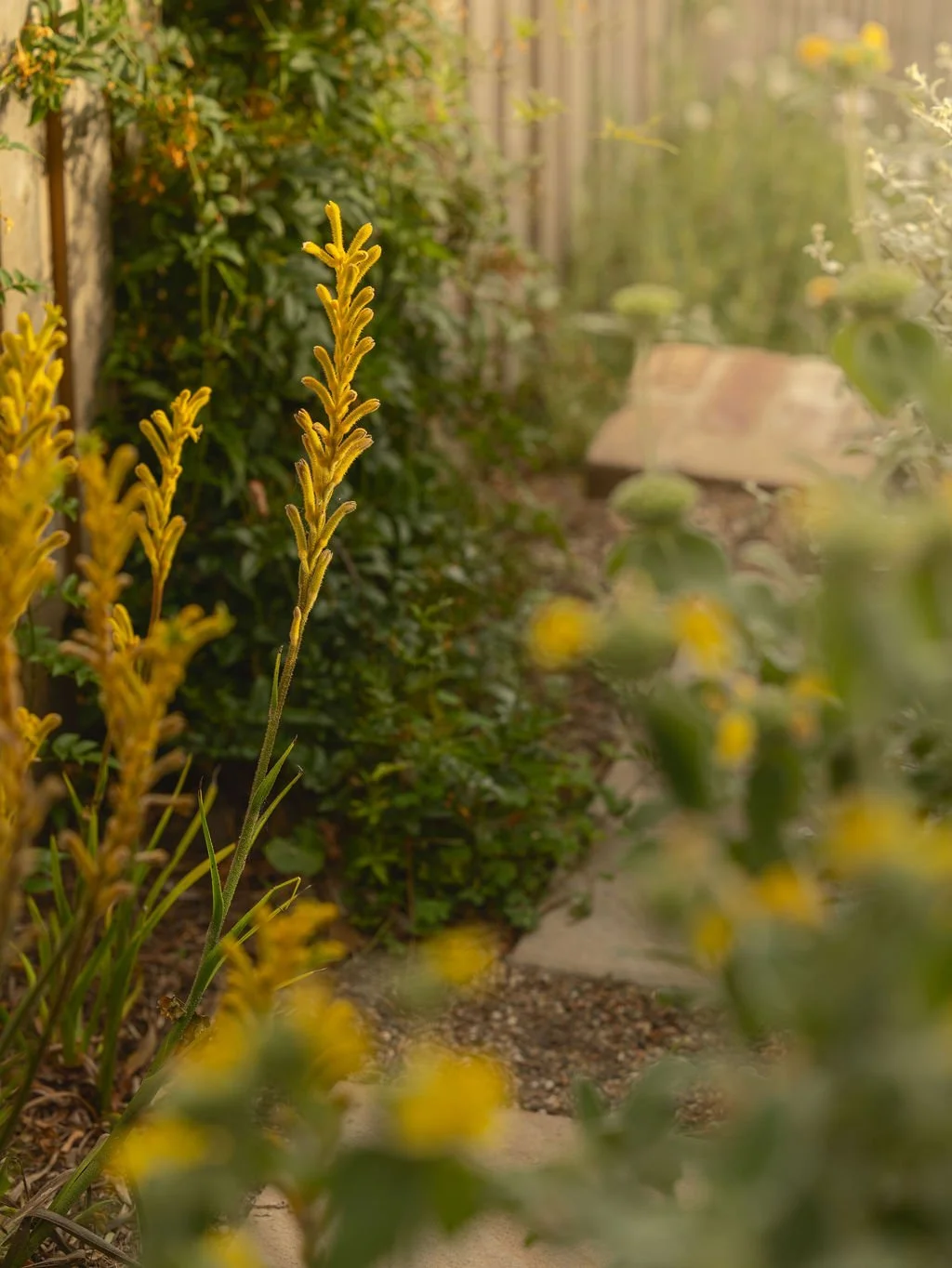
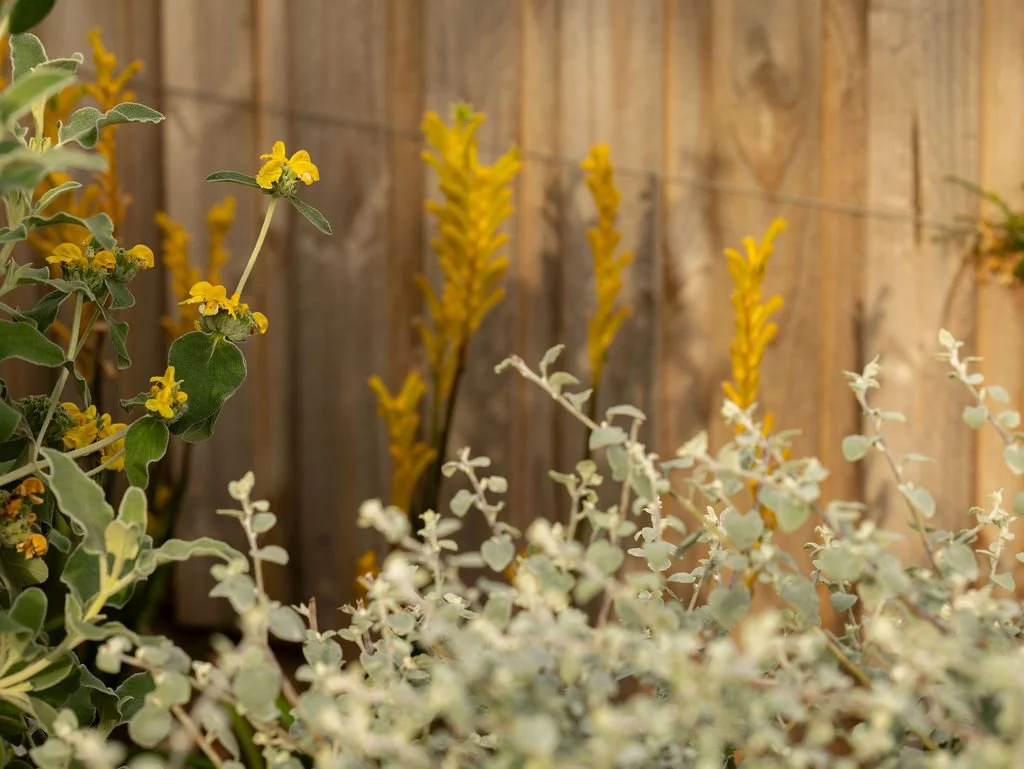
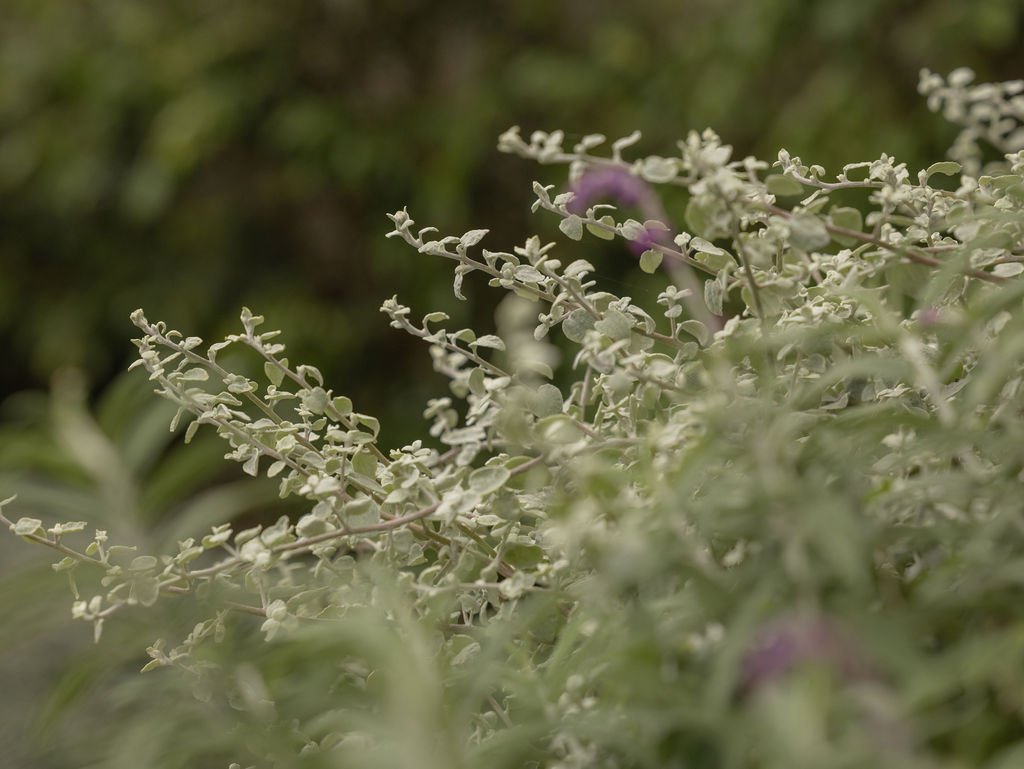
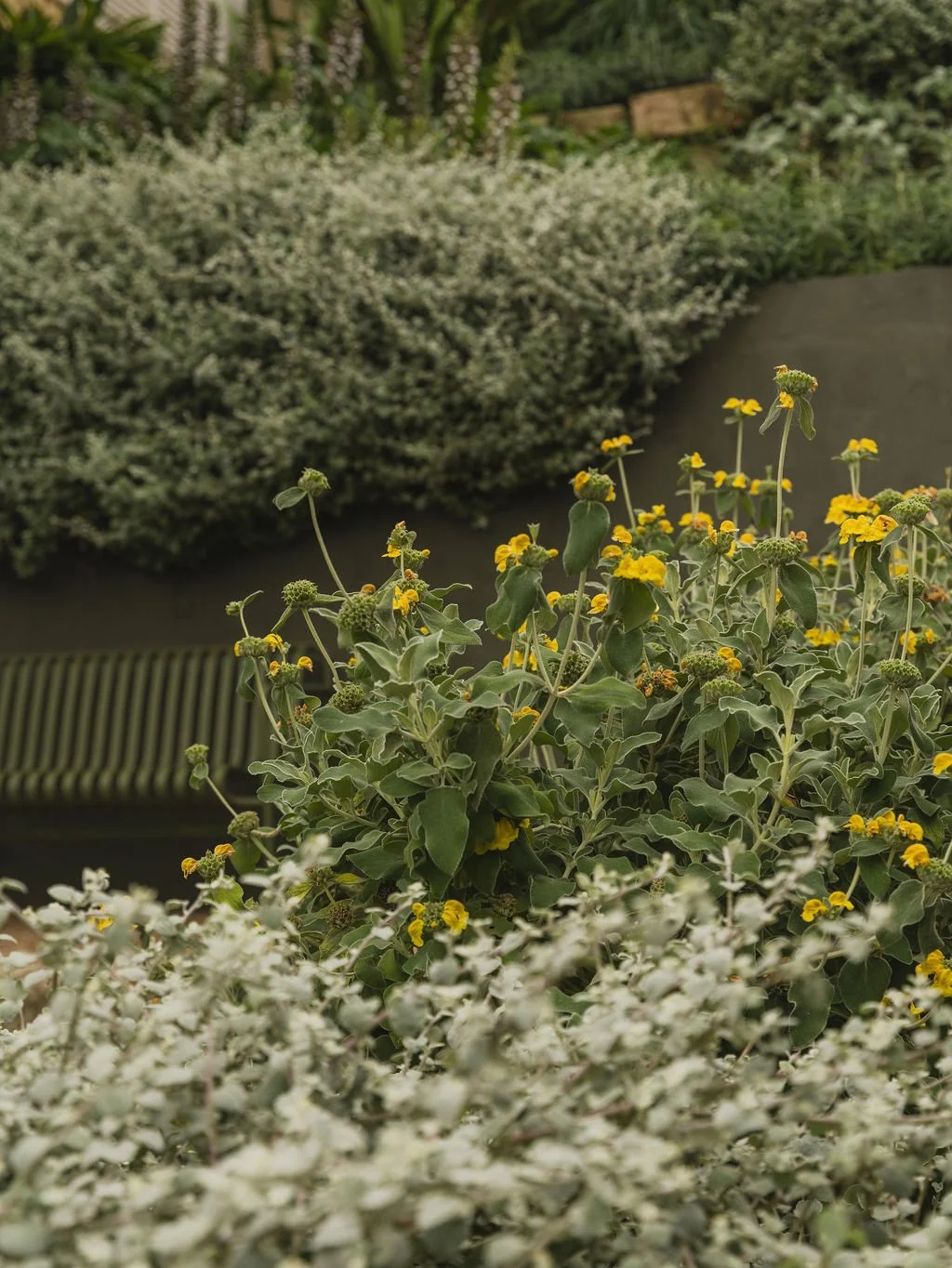
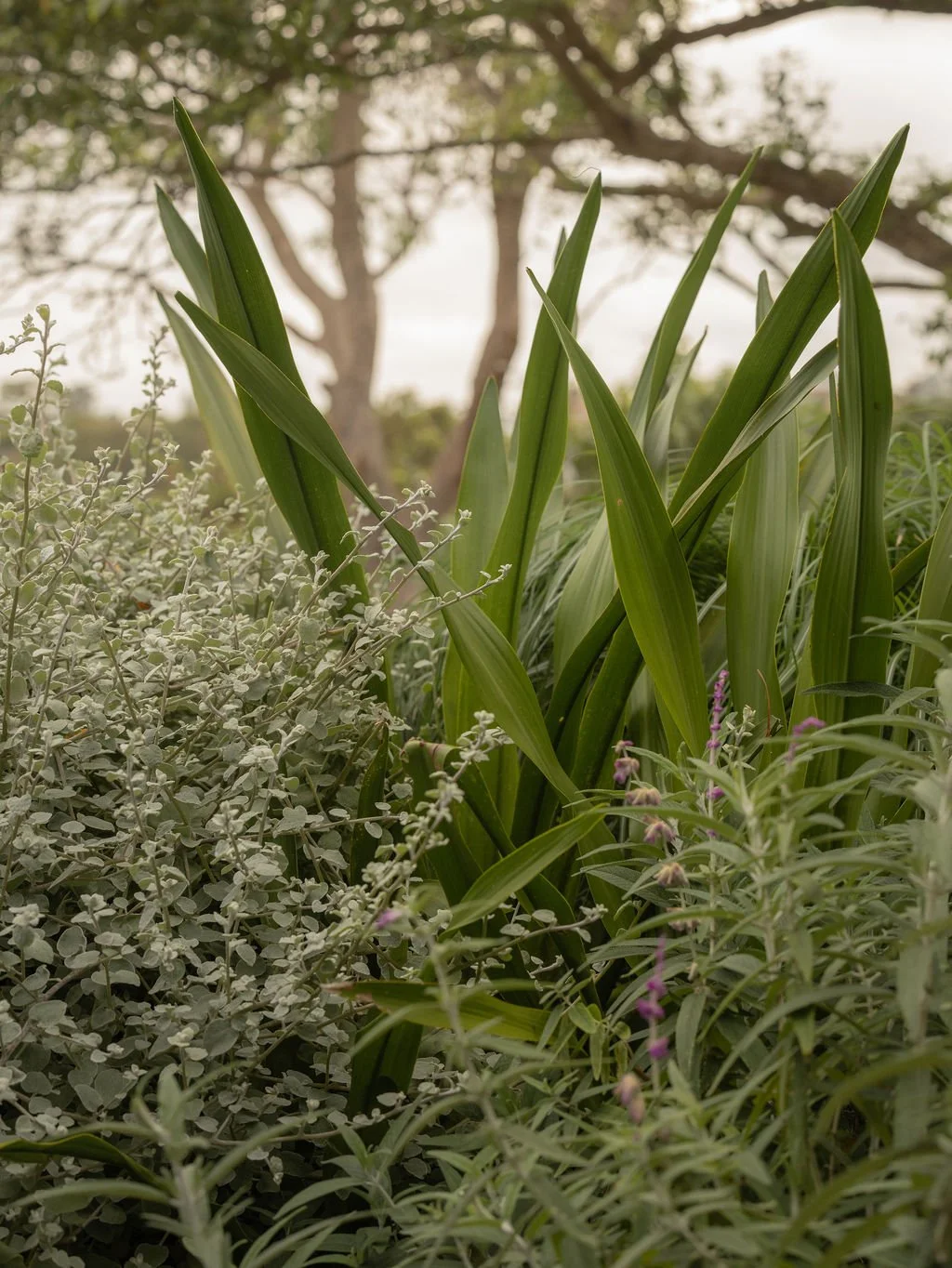
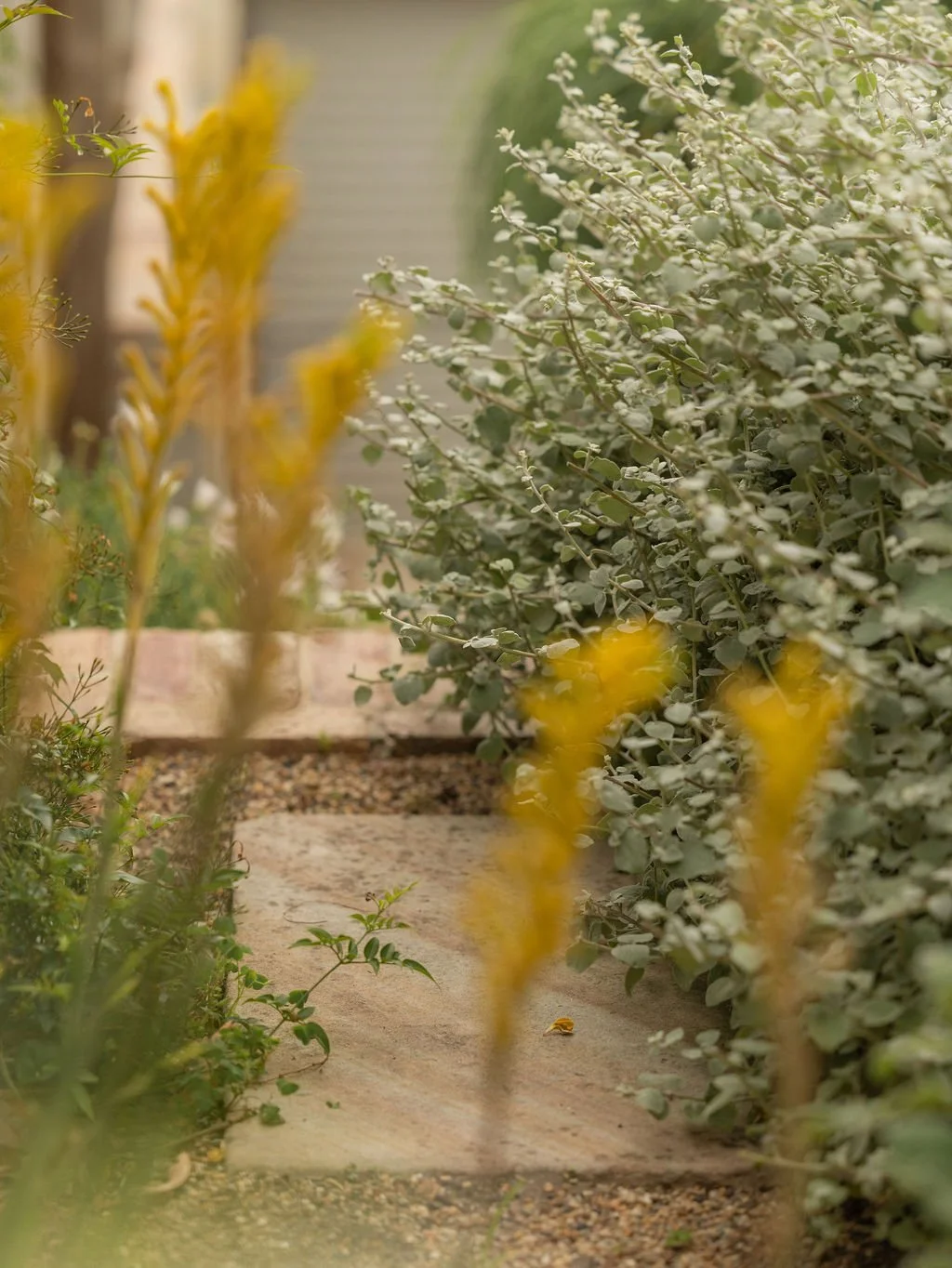
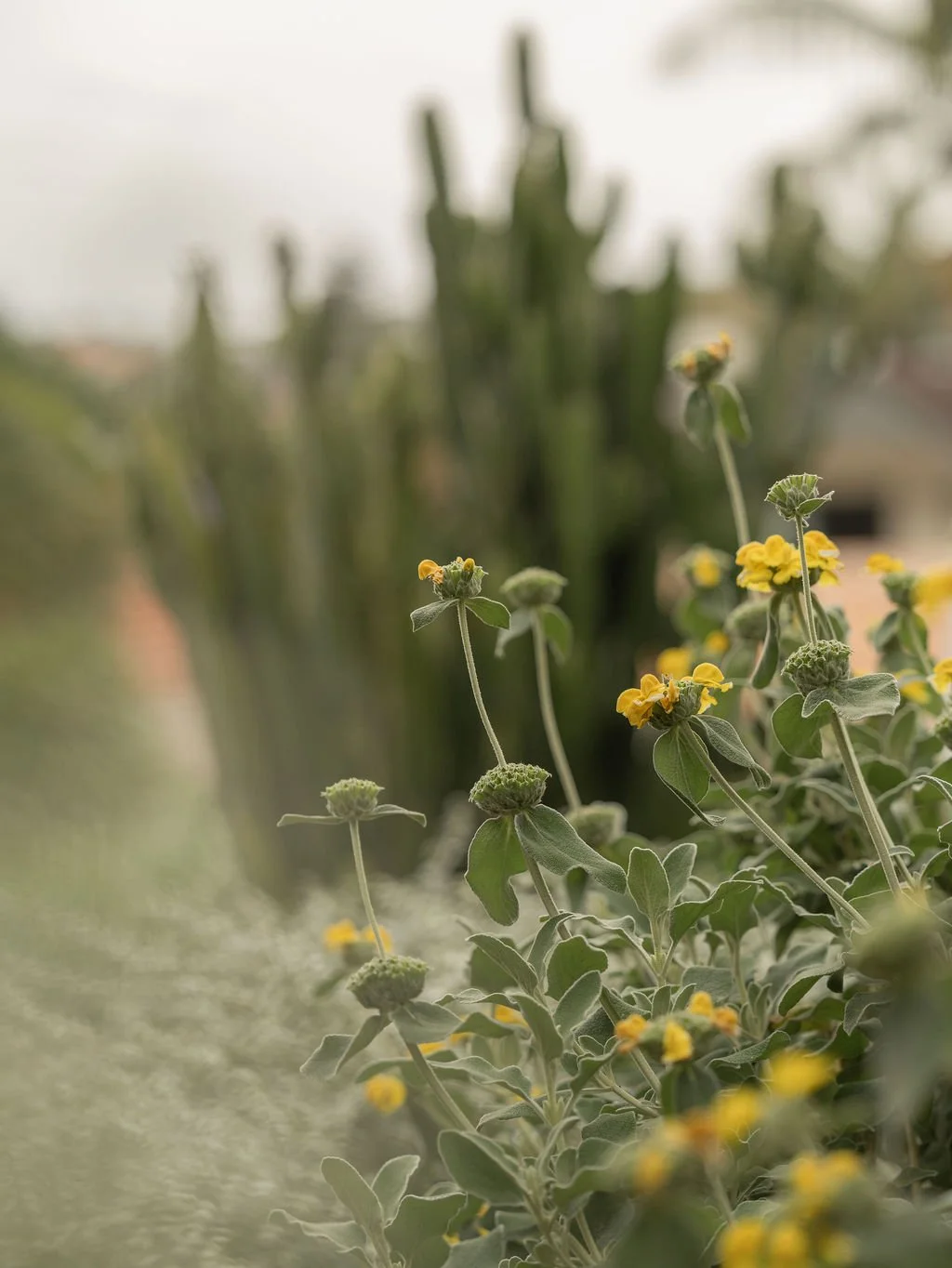
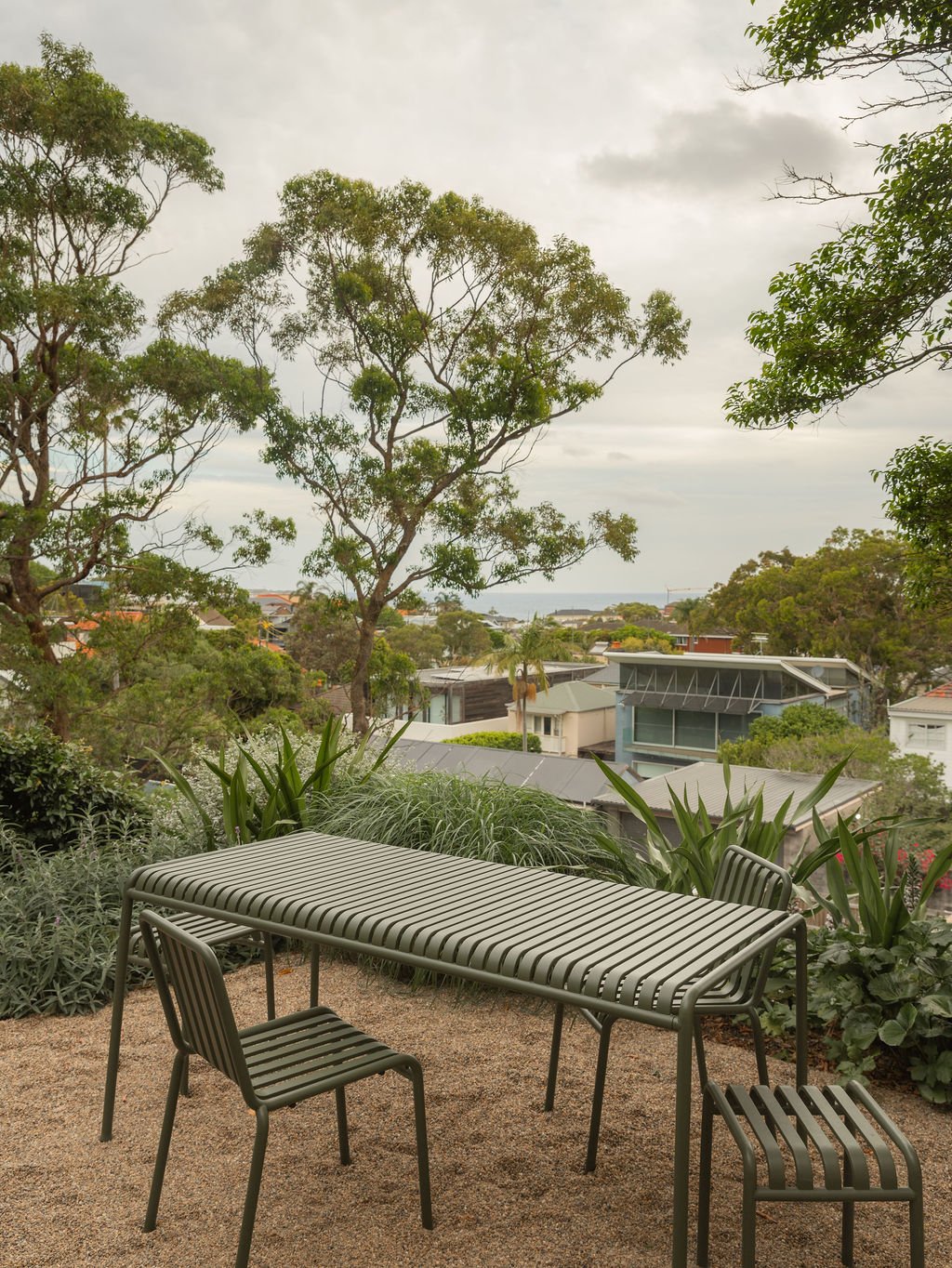
Tucked into the hillside with views over Bronte, the garden descends through a series of informal, sun-lit rooms. At the centre of the front garden stands a fruiting orange tree, surrounded by drifts of Lavandula angustifolia, Phlomis fruticosa and Miscanthus sinensis, the silvery foliage and purple-gold tones reflecting our clients’ Mediterranean heritage.
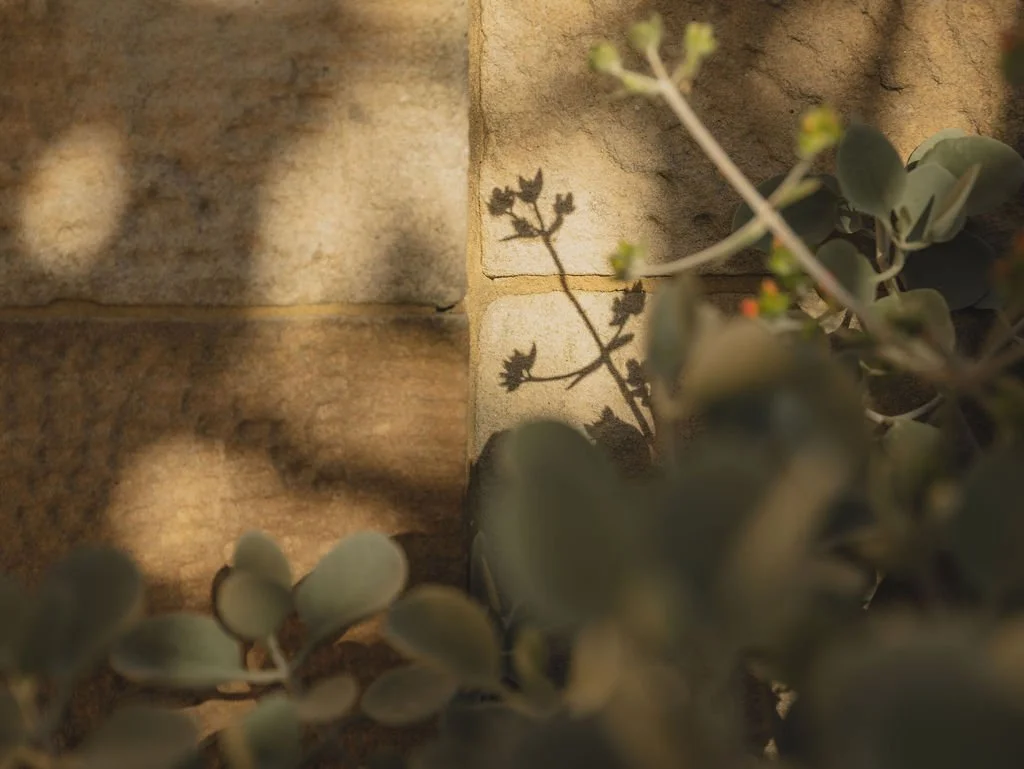
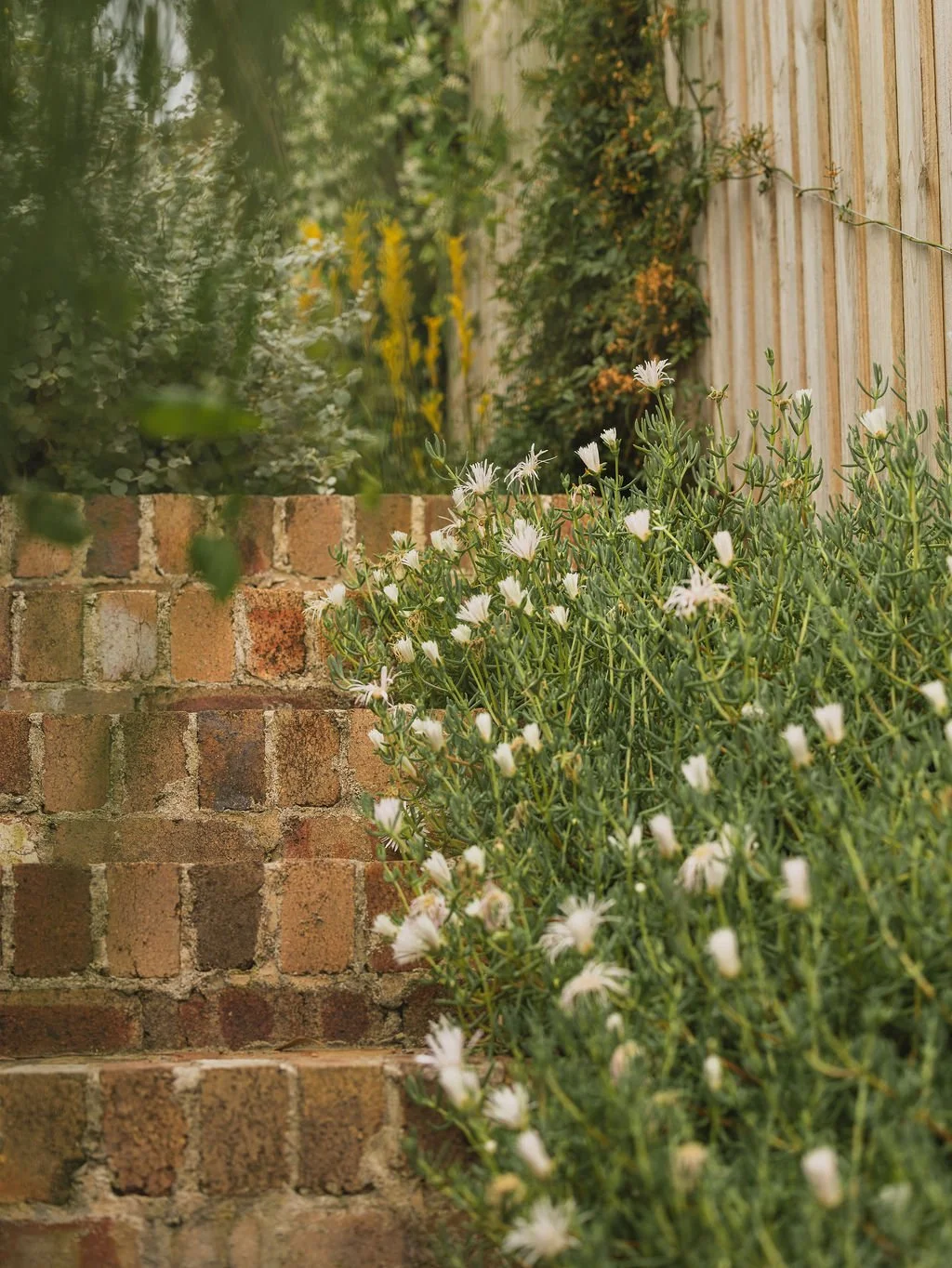
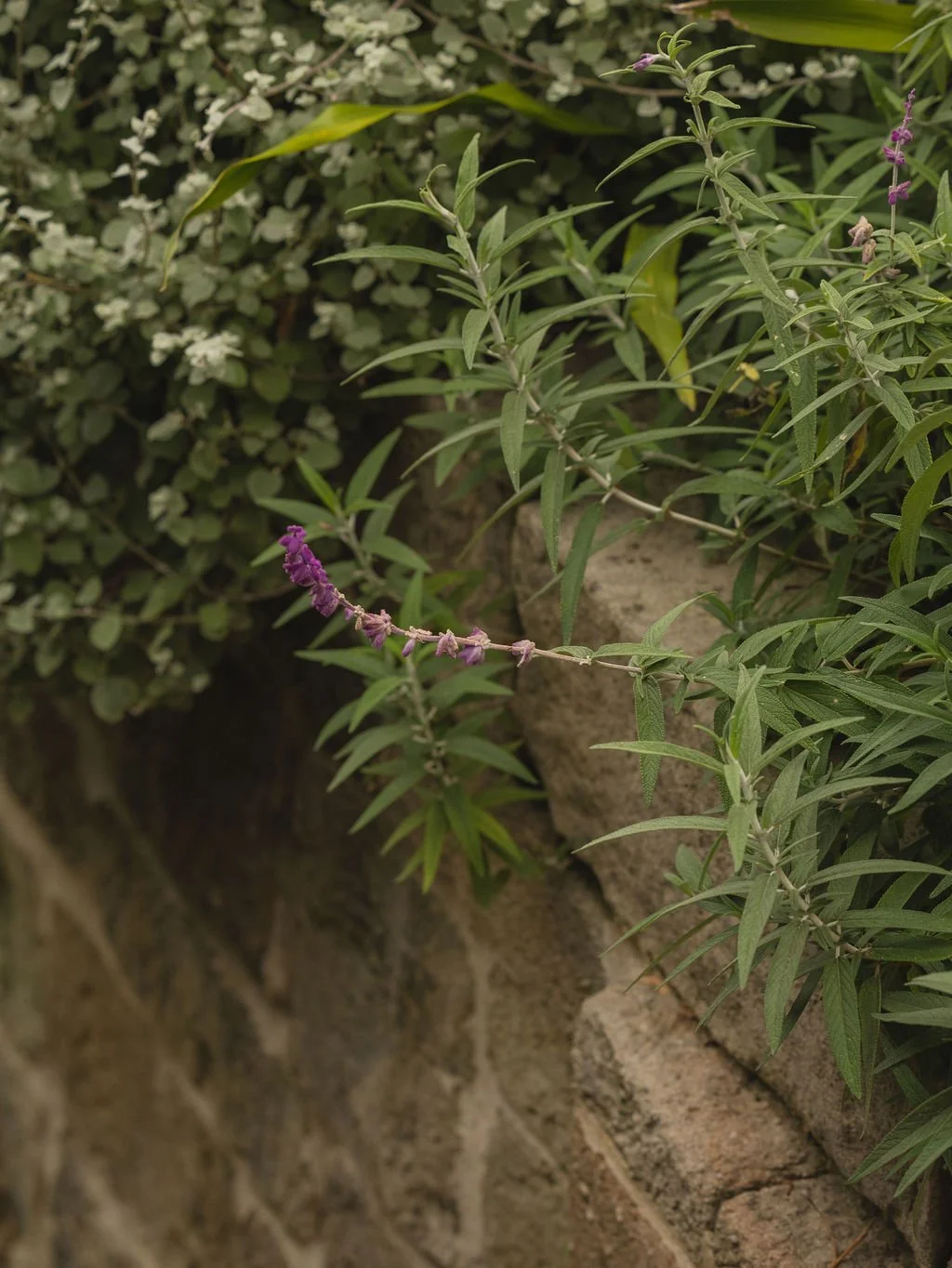
The existing block had been roughly terraced over time. A patchwork of old walls, ad-hoc steps and leftover materials. Rather than erase it, we worked with the inherited structure, allowing it to support the garden’s slightly wild, evolving spirit. Where possible, sandstone and rubble recovered from site were reused; raw block walls remained as they were, with sandstone introduced alongside them to soften their presence, while recycled brick became steps that settle the garden back into the hillside.
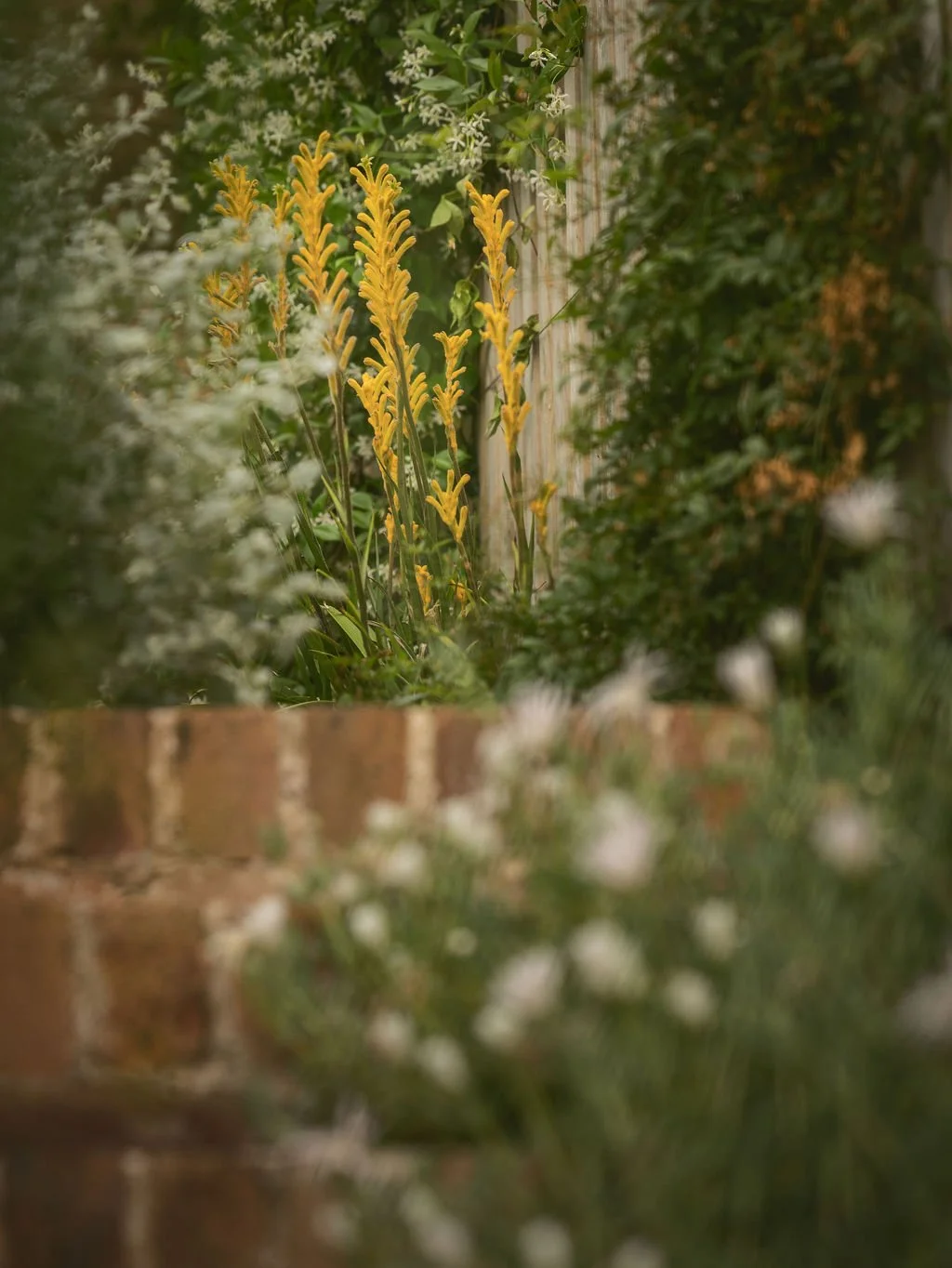
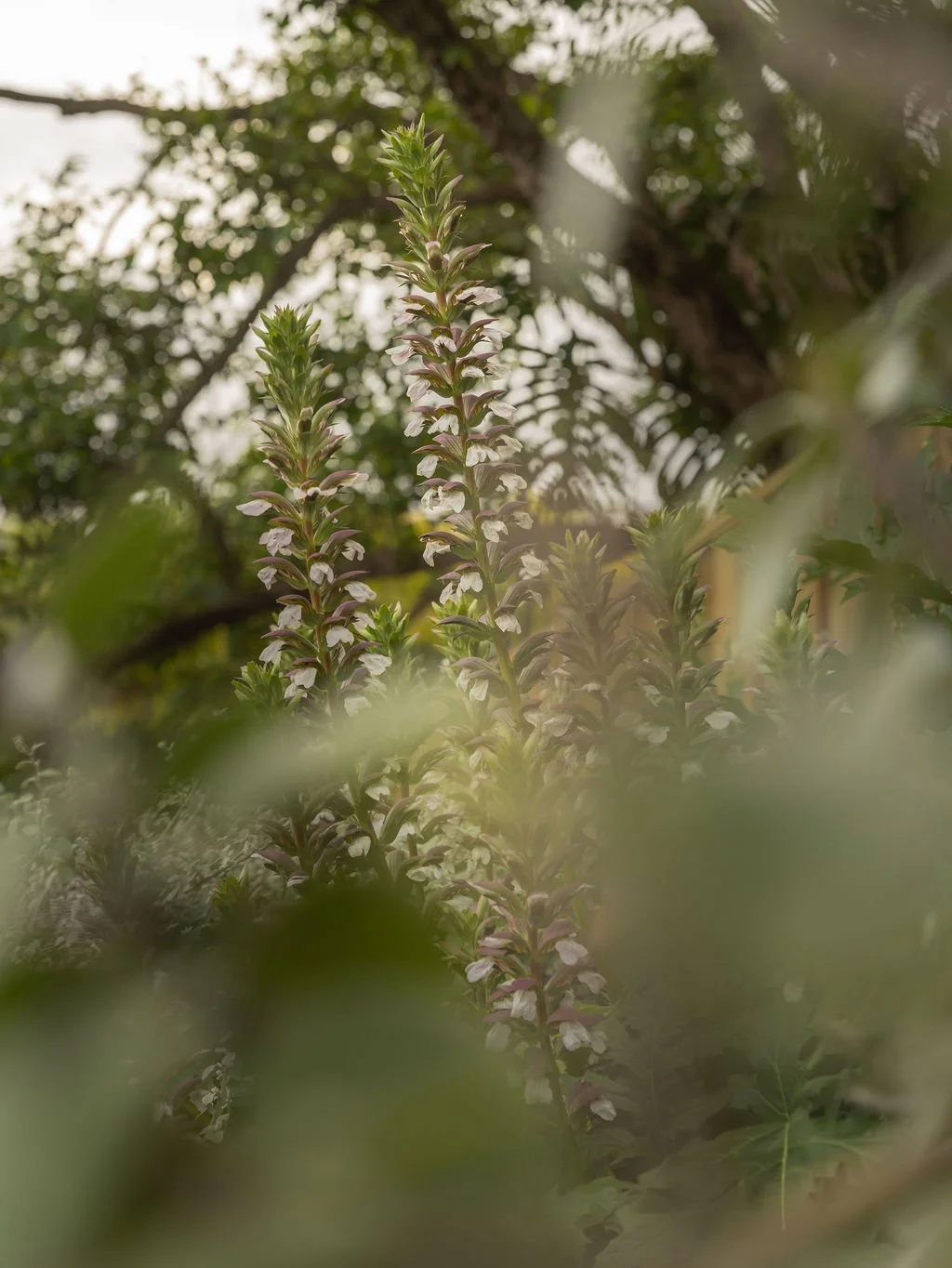
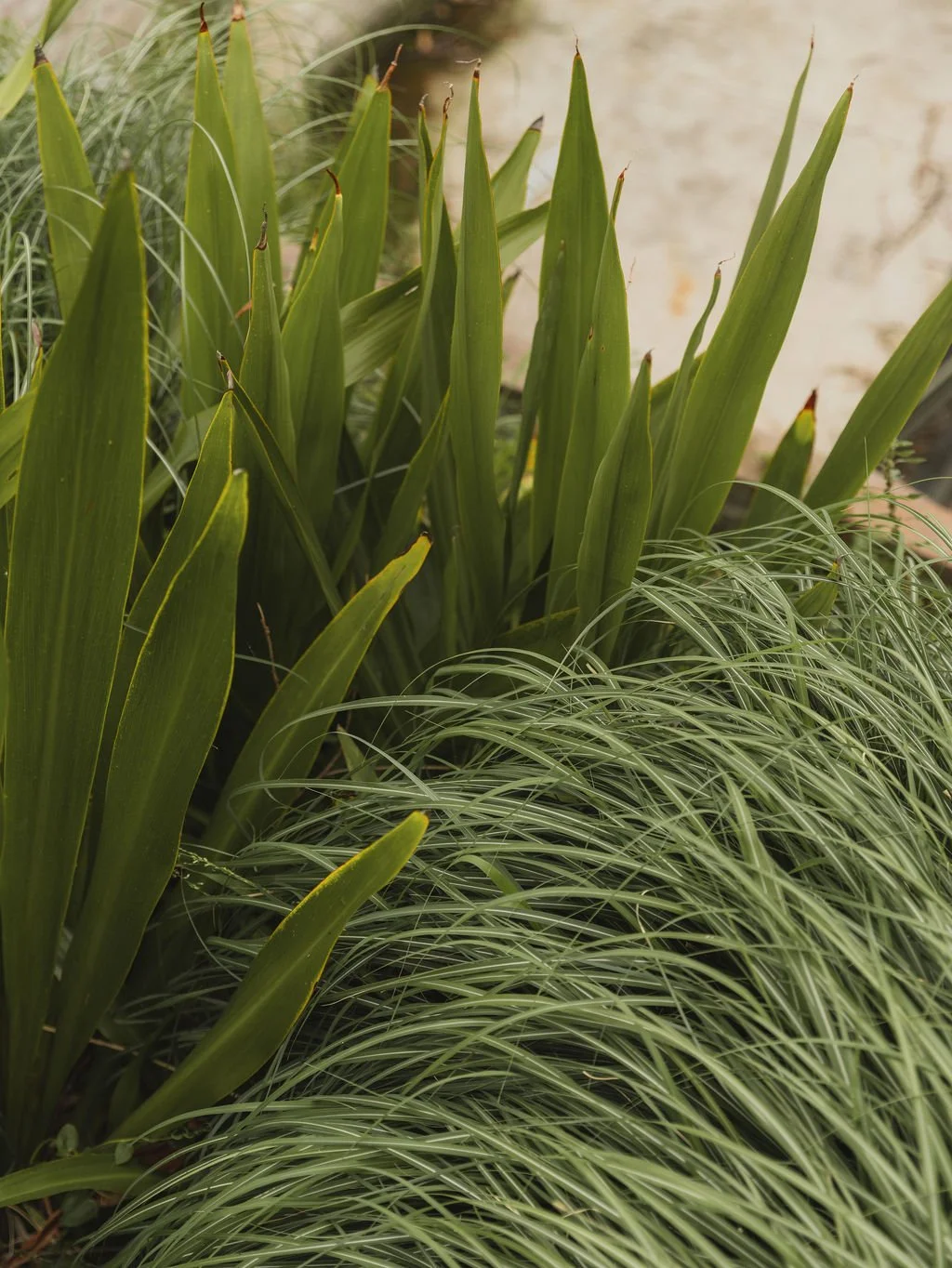
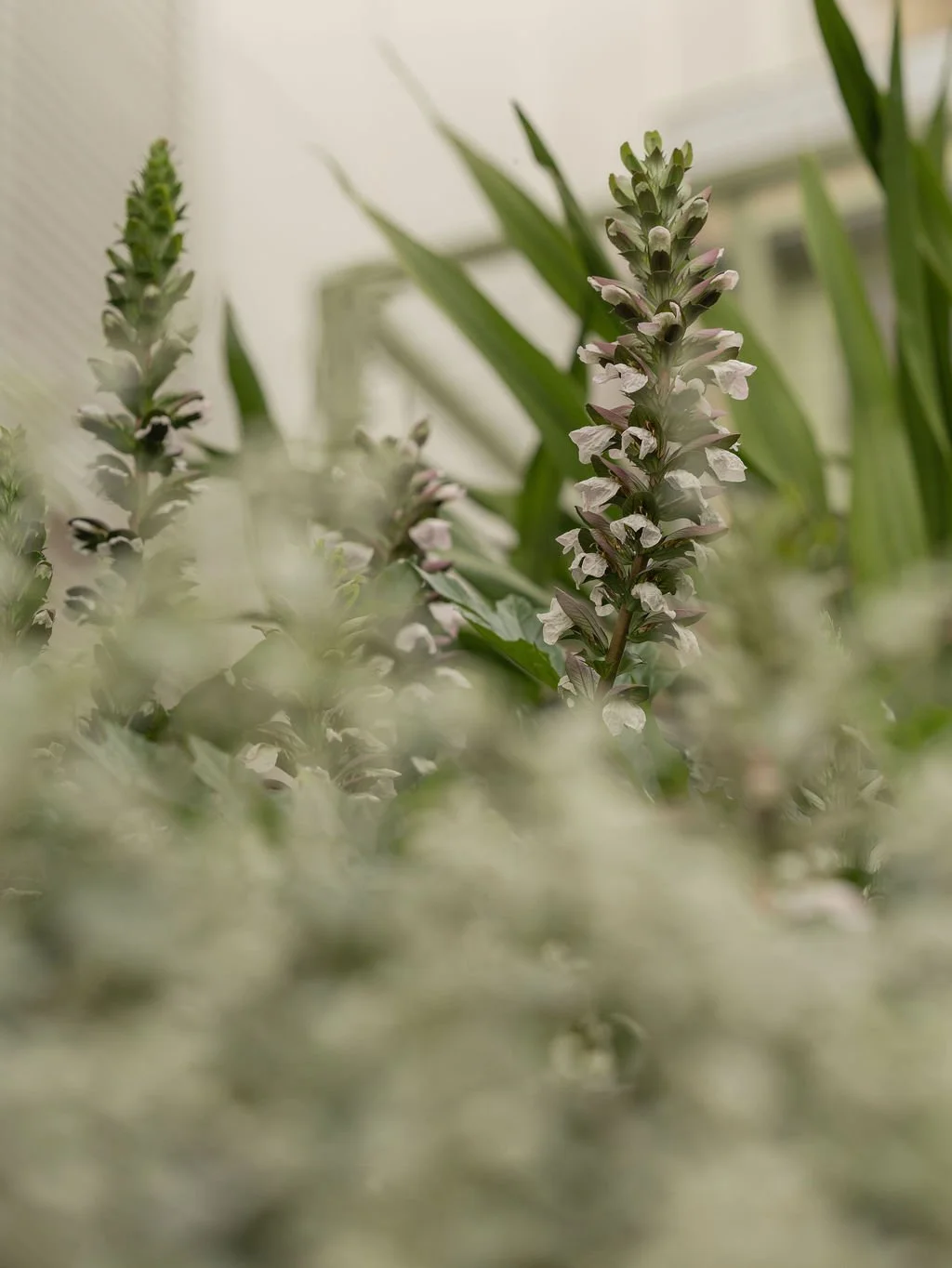
Toward the rear, the planting loosens further. Cacti, Doryanthes excelsa, sweeps of Miscanthus, Acanthus mollis, Ligularia reniformis (tractor seat plant), coastal pig-face and gingers bring scale and seasonal drama, contrasted with fine grasses and groundcovers that spill between steps and terraces. It is a garden designed not as a fixed composition, but as something to grow into, an ever-changing landscape to be tended, lived in and shared with those they love.